Editorial overview

Regional Diversity
of Spain

Spain's seventeen autonomous communities span a peninsula of remarkable contrasts — from Atlantic coastlines and granite plateaus to Mediterranean shores and alpine peaks. Each region carries a distinct identity shaped by geography, language, and centuries of separate history.

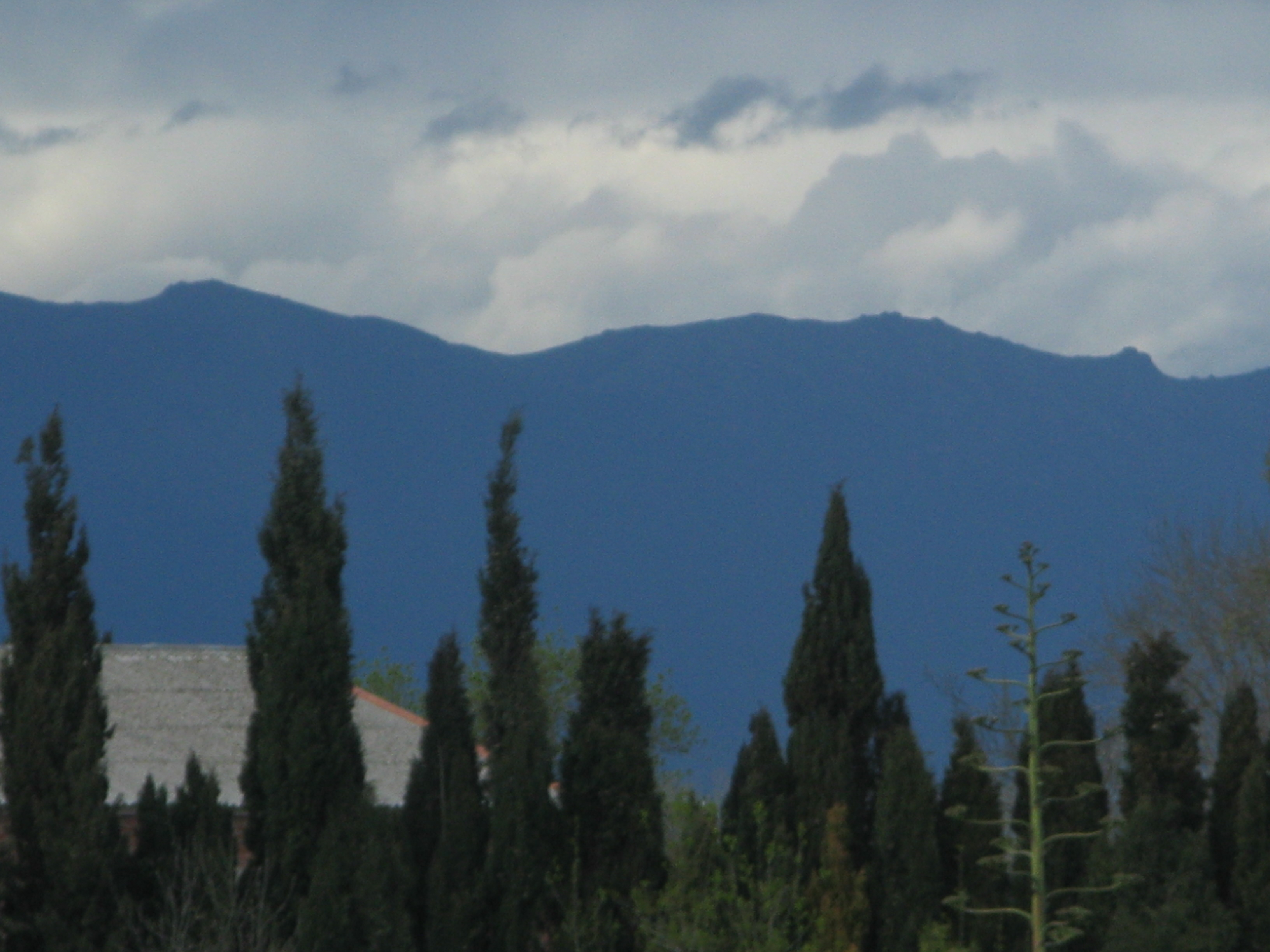
The Pyrenees mountain range forming Spain's northern border with France
The Pyrenees — a natural boundary stretching 491 km across northern Spain. Photo: Wikimedia Commons / Public Domain

Three distinct geographic zones

Spain's territory divides broadly into three zones: Green Spain along the northern Atlantic coast, the central Meseta plateau, and the Mediterranean south and east. Each zone has its own climate regime, vegetation, and architectural character.

Picos de Europa mountains in northern Spain
Northern Zone

Green Spain: The Atlantic North

The Atlantic coast from Galicia to the Basque Country receives consistent rainfall year-round, producing dense oak forests, ria inlets, and alpine massifs like the Picos de Europa. The region encompasses four communities: Galicia, Asturias, Cantabria, and the Basque Country.

Sagrada Familia basilica in Barcelona, Catalonia
Mediterranean Coast

Mediterranean Spain: East Coast Communities

Catalonia, Valencia, Murcia, and the Balearic Islands occupy the eastern Mediterranean coastline. The climate shifts from sub-humid near the Pyrenees to semi-arid around Murcia. Barcelona stands as the zone's primary urban centre, while the Costa Brava and Costa Blanca define its coastal character.

Alhambra palace in Granada, southern Spain
Southern Spain

Andalusia: Culture, History and Landscape

Andalusia is Spain's largest autonomous community by area, combining a semi-arid interior, fertile river valleys, and a Mediterranean and Atlantic coastline. It is the origin of flamenco, bullfighting and a distinct Moorish-influenced urban architecture visible in cities like Seville, Granada and Córdoba.


Spain's Regional Political Structure

Spain is a decentralised state composed of 17 autonomous communities and two autonomous cities (Ceuta and Melilla). Each has its own parliament, government and a distinct range of competencies transferred from the central state.

Catalonia (Catalunya)

A northeastern community with Barcelona as its capital. Catalan is co-official alongside Spanish. The community has a strong industrial base and a GDP that represents roughly 19% of Spain's total output.

Madrid (Community)

The central region surrounding Spain's national capital. The smallest community by surface area relative to its economic weight, it contributes approximately 18% of national GDP and is home to over 6.7 million people.

Andalusia (Andalucía)

The largest community by area (87,268 km²) and the most populous after Madrid and Catalonia. Its economy depends on agriculture, tourism, and an expanding technology sector centred on Málaga and Seville.

Basque Country (Euskadi)

Located in the north with Bilbao and San Sebastián as its main cities. Euskera, the Basque language, is unrelated to any other European language. The community has wide fiscal autonomy, managing its own tax collection separately from central government.

Valencia (Comunitat Valenciana)

The third most populous community, occupying the central Mediterranean coast. Valencian, a variety of Catalan, is the co-official language. The community is the primary growing region for citrus fruit in Spain.

Galicia

In the northwest, Galicia has a Celtic cultural heritage and a deeply indented Atlantic coastline. Galician, closely related to Portuguese, is the co-official language. Santiago de Compostela, the endpoint of the Camino pilgrimage routes, is its capital.


Get in Touch

For corrections, questions about regional content, or editorial suggestions about Spain's geography and culture, use the form below.

Submissions are not stored on any server.